















All Columns in Alphabetical Order


Showing posts with label Peachy's Pet Pals. Show all posts

Monday, May 11, 2026

#NHLPeachy @NHL #PeachysPetPals NHL's "Stanley Pup" Rescue Dog Competition Returns for Third Consecutive Year to Celebrate the Stanley Cup Playoffs


Program Featuring 32 Adoptable Dogs and Guest Appearances from Kenan Thompson and The Dogist to Premiere June 8 on truTV, HBO Max and Sportsnet

The National Hockey League (NHL) today announced that Stanley Pup is back for its third consecutive year, bringing a dose of puppy power to the postseason. During this 90-minute special, a lineup of adoptable pups will face off in a friendly competition, showcasing their canine skills and puppy puck handling on a miniature rink.


The competition will feature special appearances from celebrity dog lovers and advocates including comedian and SNL star Kenan Thompson as a celebrity coach, legendary broadcaster Doc Emrick and NHL Players Devin Cooley (Calgary Flames), Seth Jarvis (Carolina Hurricanes) and Will Smith (San Jose Sharks). In addition, color and play-by-play commentary will be provided by Mark Shunock and Chris Rose, with Alexa Landestoy reporting rink side.


New for the 2026 broadcast, Elias Weiss Friedman, popularly known as The Dogist, will join the Stanley Pup team to anchor a series of heart-warming adoption follow-up segments. These on-location features will highlight the real-world impact of the program, as Friedman interviews three families who adopted a dog featured in previous ‘Stanley Pup’ games, providing a special look at the lives of former canine "players.”


The show will premiere on June 8 on truTV and simulcast on HBO Max in the U.S. (9:30 p.m. ET) and on Sportsnet in Canada (8 p.m. ET). The show will also air on NHL Network on June 10 (8 p.m. & 10:30 p.m. ET) and will be available on the NHL’s YouTube channel on June 9. The show will also air in the D.C. region on Monumental Sports Network (MNMT) following the national broadcasts, and will be available to fans on both MNMT’s linear TV and streaming platforms.


All 32 NHL teams will be represented by an adoptable rescue dog as they compete in the Conference Finals and vie in the championship showdown – the Stanley Pup Final. The talented lineup of pups and other furry friends who are ready to find their forever homes will be provided by adoption partner Brandywine Valley SPCA. BISSELL and Halo Collar, the leading GPS containment system for dogs, will also join this year as sponsors.


Stanley Pup is executive produced by producer and animal advocate Michael Levitt for Michael Levitt Productions, whose past rescue-themed projects include “American Rescue Dog Show,” “Fox's Cause for Paws,” “All-Star Dog Rescue Celebration” and more, Steve Mayer (President, NHL Content & Events) and Matt Nicholson (NHL Group Vice President, Production & Creative Development) for NHL Productions, and Jim Kowats (MSE Senior Vice President, Production) and Aimee Brillhart (MSE Vice President, Production) for Monumental Sports & Entertainment, whose other award-winning sports-themed series include “Hometown with Rachel Nichols,” “Politics Aside with Chris Cillizza,” “All Ours: Bring Home the Cup” and more.


The 2026 edition of Stanley Pup aims to build on the incredible momentum from last year’s programming, which saw breakout canine stars like Sidney Pawsby (Pittsburgh Penguins), Taylor Howl (Carolina Hurricanes), and Jeremy Spayman (Boston Bruins) capture the hearts of hockey fans everywhere.


For more information on Stanley Pup, please visit NHL.com/StanleyPup. Stanley Cup Playoffs coverage is underway on ESPN, TNT, TBS, truTV and HBO Max in the U.S., and in Canada on SN, CBC and TVA Sports. Outside of North America, NHL international media partners deliver games to fans around the world.


“We are thrilled to bring Stanley Pup back for year three,” said Mayer. “This event has quickly become a fan-favorite tradition, blending the competitive spirit of the NHL with the mission of finding homes for animals in need. When Patrick Kanine, Cole Pawfield, Quinn Chews and others find families because of Stanley Pup, we know that this show has true meaning.”


"For our third year of Stanley Pup, we’ve taken the show next level – and the puppies absolutely delivered,” said Levitt. “This special is pure joy for the whole family, and we hope it inspires people to open their hearts and homes to a rescue dog. Because when these pups hit the ice, it’s not just a game…it’s a power play for adoption."


“The hockey community is so supportive of animal rescue that a show like this is the best of both worlds for our fans,” said Brillhart. “Every team in the League has their own puppy player to root for – Stanley Pup will surprise and delight viewers from the first pup drop to the final whistle.”


“The Brandywine Valley SPCA is proud to be the non-profit partner of the Stanley Pup, which highlights many of our all-star adoptable pets,” said Adam Lamb, CEO of Brandywine Valley SPCA. “Adopting is like a hat trick for you and the selected pet – scoring a goal for the pet, the family, and the next animal in need. When you adopt, everyone wins!”


NHL, the NHL Shield and the word mark and image of the Stanley Cup are registered trademarks and the Stanley Cup Playoffs logo is a trademark of the National Hockey League. NHL and NHL team marks are the property of the NHL and its teams. © 2026 NHL. All Rights Reserved.


About NHL Productions

NHL Productions is the National Hockey League’s award-winning production company, focused on documenting, preserving, and promoting the game of hockey and its players. Established in 2011, NHL Productions develops long- and short-form hockey programming for the League’s social and digital platforms – NHL Network, NHL.com, NHL Social and the NHL’s YouTube Channel – as well as national, regional and international rightsholders. Its original programming lineup has included “Quest For The Stanley Cup,” “Road To The NHL Winter Classic,” “Saving Sakic,” “Chosen One: Alexandre Daigle,” “Behind The Glass,” “NHL All-Star All Access,” “Hat Trick Trivia,” “Stanley Cup Live,” and many more. “Welcome to the NHL,” which chronicled the top prospects in the 2022 NHL Draft in Montreal, earned a 2023 Sports Emmy Award for Edited Event Coverage.


About Michael Levitt Productions

Emmy-nominated producer Michael Levitt is the driving force behind Michael Levitt Productions, the Los Angeles-based company responsible for more than 200 live events, specials, and series, including Baylen Out Loud, The American Rescue Dog Show, The Billboard Music Awards, and Skin Wars. “My team and I give everything we’ve got to our annual franchises, our one-off live events, and our reality series,” says Levitt. “We fill them with fun, surprises, and heart to craft unforgettable, innovative shows for diverse audiences across every kind of network and platform.” Other MLP programs include The Daytime Emmys, The Producers Guild Awards, Radio Disney Music Awards, The VH1 Fashion Awards, The Hocus Pocus 25th Anniversary Halloween Bash, and many more.


About Monumental Sports & Entertainment

Monumental Sports & Entertainment is one of America’s leading integrated sports and entertainment companies and is ranked as one of the most valuable globally. Our people, players, teams, and events bring excitement and joy to millions. We invest and innovate to consistently raise the game so we can deliver extraordinary experiences that will inspire and unite our community, our fans, and our people. To learn more, please visit monumentalsports.com.


About Brandywine Valley SPCA

Now the largest animal welfare organization in the region, serving three states and the District of Columbia, the Brandywine Valley SPCA was founded in 1929, and is the first open-admission no-kill shelter in Pennsylvania and Delaware. In 2025, the BVSPCA cared for more than 27,000 lost, stray, owner-surrendered, abused, and neglected animals while achieving a 94% live release rate. The BVSPCA holds the exclusive contract with the Delaware Office of Animal Welfare to provide state-wide animal services and is contracted by DC Health to provide animal care and control services for the District of Columbia. The BVSPCA also services five counties in Pennsylvania with Animal Protective Services and Humane Law Enforcement. Animals are placed through 13 adoption centers across Eastern and Central PA, the entire state of Delaware, New Jersey and Washington, DC. In addition, the BVSPCA provides families with safety net and low-cost veterinary services at its six Animal Health Centers. Learn more at bvspca.org.


About BISSELL Homecare, Inc.

Celebrating 150 years of legacy, invention, and innovation, BISSELL is a fifth-generation, family-led company committed to creating cleaner, happier homes for families and their pets. Guided by a belief that every family deserves a cleaner home, BISSELL blends deep consumer insight with a pioneering spirit to deliver solutions that meet – and exceed – the expectations of today’s pet parents. BISSELL’s passion for pets extends far beyond cleaning through its support of BISSELL Pet Foundation and its mission to end pet homelessness. Founded by Cathy Bissell in 2011, more than 1.2 million pets (and counting) have been impacted through adoption, transport, spay/neuter, and crisis response. Every BISSELL purchase helps save pet lives – because for BISSELL, clean homes and thriving pets aren’t just part of the story, they’re at the heart of its 150-year legacy. A Family Company Since 1876. Every Purchase Saves Pets™. Learn more on: BISSELL.com, Instagram, TikTok and Facebook.   


About Halo Collar

The Halo Collar™ is the most advanced GPS dog fence ever created. Co-founded by Cesar Millan, the patented system combines wireless fencing, training, real-time GPS tracking, and activity monitoring into one easy-to-use smart collar. Halo's proprietary GPS and GNSS location technology helps keep dogs safe while giving them the freedom to explore. Halo protects more than 500,000 dogs across the United States each day. For more information, visit www.halocollar.com.

Read more...

Wednesday, November 26, 2025

#PeachysPetPals #CulturedPeachy @AMNH From Shiloh Shepherds to Chihuahuas, Study Finds That the Majority of Modern Dogs Have Detectable Wolf Ancestry


New research led by scientists at the American Museum of Natural History and the Smithsonian’s National Museum of Natural History reveals that the majority of dogs living today have low but detectable levels of post-domestication wolf ancestry that has likely shaped characteristics including body size, sense of smell, and personality traits. The study, published today in Proceedings of the National Academy of Sciences, suggests that this newly uncovered gene flow may help give unique advantages to dogs’ survival in diverse human environments. Among their findings: post-domestication wolf ancestry exists in a wide range of dog breeds, from large Shiloh shepherds to the tiny chihuahua.

“Modern dogs, especially pet dogs, can seem so removed from wolves, which are often demonized,” said the study’s lead author Audrey Lin, a Gerstner Postdoctoral Scholar in Bioinformatics and Computational Biology at the American Museum of Natural History. “But there are some characteristics that may have come from wolves that we greatly value in dogs today and that we choose to keep in their lineage. This is a study about dogs, but in a lot of ways, it’s telling us about wolves.”

Dogs evolved from an extinct population of gray wolves under human influences during the late Pleistocene, about 20,000 years ago. Although wolves and dogs live in the same geographic regions and can produce fertile offspring, hybridization is rare. And with few exceptions of intentionally crossbred wolves and dogs, there is little evidence of gene flow between the groups after dog domestication separated their gene pools.

“Prior to this study, the leading science seemed to suggest that in order for a dog to be a dog, there can’t be very much wolf DNA present, if any,” Lin said. “But we found if you look very closely in modern dog genomes, wolf is there. This suggests that dog genomes can “tolerate” wolf DNA up to an unknown level and still remain the dogs we know and love.”

The researchers explored historical dog-wolf gene flow using more than 2,700 published genomes from the National Center for Biotechnology Information and the European Nucleotide Archive of wolves, breed dogs, village dogs, and other canids spanning the late Pleistocene to the present. They found that almost two-thirds of breed dogs have wolf ancestry within their nuclear genome from crossbreeding that occurred around 1,000 generations ago. In addition, all of the genomes analyzed from village dogs—free-roaming dogs that live in or near human settlements—carry detectable wolf ancestry.

Czechoslovakian and Saarloos wolfdogs, which were purposefully bred through hybridization with wolves, had the highest levels of wolf ancestry, between 23-40 percent of their genomes. Among breed dogs, the most “wolfy” were the great Anglo-French tricolour hound (between 4.7 and 5.7 percent wolf ancestry) and the Shiloh shepherd (2.7 percent wolf ancestry). While the Shiloh shepherd originated from breeding efforts with wolfdogs or other recent dog–wolf hybrids to create healthier, more family-friendly shepherd dogs in the US, the origin of the extensive wolf ancestry in Great Anglo-French tricolour hounds—the most common hound in modern France—is unknown and unexpected. The Tamaskan, a “wolfalike” breed that originated in the UK in the 1980s from selecting huskies, malamutes, and other breeds with the goal of producing a wolf-like appearance, has about 3.7 percent wolf ancestry.

The researchers found several patterns among the data: wolf ancestry is higher among larger dogs and in those bred for certain types of work, including Arctic sled dogs, “pariah” breeds, and hunting dogs. Terriers, gundogs, and scent hounds have the least wolf ancestry, on average. While some large guardian dogs have high wolf ancestry, others, like the Neapolitan mastiff, bullmastiff, and the St. Bernard, have no detectable wolf ancestry. Wolf ancestry is also found in a wide range of dog breeds outside of these correlations, including in the tiny chihuahua, which has about 0.2 percent wolf ancestry.

“This completely makes sense to anyone who owns a chihuahua,” Lin said. “And what we’ve found is that this is the norm—most dogs are a little bit wolfy.”

The research team also compared how often personality terms are used by kennel clubs to describe dog breeds with the highest and lowest levels of wolf ancestry. The descriptor most associated with low wolf-ancestry breeds was “friendly,” followed by “eager to please,” “easy to train,” “courageous,” “lively,” and “affectionate.” In contrast, high wolf-ancestry dogs are more often described as “suspicious of strangers,” as well as “independent,” “dignified,” “alert,” “loyal,” “reserved,” and “territorial.” Other descriptors, including “intelligent,” “obedient,” “good with children,” “dedicated,” “calm,” and “cheerful” occurred with similar frequency in both groups of dogs. The team stressed that these traits are biased assessments of breeds’ behaviors, and it is not known if wolf genes are directly responsible for these characteristics, but this finding opens paths for future research in dog behavioral science.

In addition, the study uncovered important adaptations that dogs have accessed through wolves, including: enriched wolf ancestry at olfactory receptor genes in village dogs, who depend on the ability to sniff out human food waste; and the distribution of a Tibetan wolf-like gene that helps Tibetan mastiffs tolerate low oxygen conditions in the Tibetan Plateau and the Himalayas.

“Dogs are our buddies, but apparently wolves have been a big part of shaping them into the companions we know and love today,” said study co-author Logan Kistler, curator of archaeobotany and archaeogenomics at the National Museum of Natural History. “Through the years, dogs have had to solve all kinds of evolutionary problems that come with living with humans, whether it’s surviving at high altitude, searching for their next meal as they freely roam a village, or protecting the herd, and it seems like they use wolf genes as part of a toolkit to continue their evolutionary success story.”

Other study authors include Regina Fairbanks, from the University of California, Davis; Jose Barba-Montoya, from the American Museum of Natural History; and Hsiao-Lei Liu, from the National Museum of Natural History and University of Stockholm.


Read more...

#CulturedPeachy @AMNH #PeachysPetPals Impact: The End of the Age of Dinosaurs Opens at AMNH

Opening November 17 at the American Museum of Natural History, Impact: The End of the Age of Dinosaurs explores the major asteroid impact 66 million years ago that reshaped life on Earth. The collision triggered earthquakes, tsunamis, and global wildfires, plunging the planet into darkness and wiping out most species—including the non-bird dinosaurs. From this destruction came renewal: new ecosystems evolved, mammals diversified, and, ultimately, humans emerged.

Featuring life-size models—including an 18-foot-long Triceratops pulling down a small tree, a 27-foot-long mosasaur attacking a plesiosaur, and a 15-foot-tall plant-eating ancient mammal—as well as fossils and fossil casts, dramatic dioramas, an immersive panoramic video experience that visualizes the moment the asteroid struck, and engaging interactives, Impact reveals the latest scientific understanding of this transformative moment. As visitors explore a dramatic story of extinction, survival, recovery, and adaptation spanning millions of years, Impact also presents the evidence for these extraordinary events from the fossil record and Earth’s geology.

“Impact doesn’t just tell the dramatic story about the asteroid strike that wiped out the non-avian dinosaurs, it shows how science enables us to peer into that long-gone time: what the world was like, what animals roamed, and of course, the planet-wide environmental cataclysm that the asteroid triggered,” said Museum President Sean M. Decatur. “It’s also a story about the resilience of life and of our planet. Some species survived, new ecosystems flourished, and eventually these developments led to the evolution of humans and the world we know today. It's a fascinating, extraordinary story like no other.”

The Cretaceous Period ended catastrophically when an asteroid estimated to be 6 to 10 miles wide crashed into Earth on what is now the Yucatán Peninsula, plunging the planet into a global winter. In addition to its most famous victims, the non-avian dinosaurs, the Cretaceous-Paleogene (K-Pg) extinction event eliminated about 75 percent of all living species: all flying reptiles, the pterosaurs, as well as massive marine reptiles including mosasaurs and plesiosaurs, marine invertebrates including ammonites, and many species of mammals, amphibians, birds, insects, and plants. Impact highlights the species that became extinct as well as the plants and animals that survived this major turning point in Earth’s history and faced a drastically changed world. The extinction of non-bird dinosaurs paved the way for the evolution of new flora and fauna, including the emergence of lush rainforests and the explosion of mammal diversity, which ultimately led to our human lineage.

“What makes this exhibition so exciting is how much of the story we can now tell through science,” said Roger Benson, lead curator of the exhibition and the Macaulay Curator of Dinosaur Paleobiology in the Museum’s Division of Paleontology. “Advances in paleontology and geochemistry have given us an unprecedented look at what happened before, during, and after the asteroid hit—including how ecosystems collapsed, adapted, and ultimately flourished again.”

The K-Pg event is the most recent of five major mass extinction events. Some researchers think we’re about to enter another extinction, one caused not by volcanism or an asteroid impact but by human activities, including those that contribute to climate change. Visitors will learn about other extinction events, as well as about the vital ongoing work to sustain Earth’s incredible biodiversity today.

LIFE BEFORE THE IMPACT

On land and in the oceans, Earth was teeming with life during the Cretaceous Period. In ancient oceans, huge marine reptiles ruled for millions of years, existing as part of a complex ecosystem that included tiny organisms such as phytoplankton and zooplankton, along with fishes, sharks, sea turtles, clams, squid, ammonites, nautiluses, and other invertebrates. In Impact, visitors will encounter life-size models of a 27-foot-long mosasaur—among the most fearsome and widespread marine reptiles of the time—attacking a long-necked plesiosaur measuring 30 feet. The exhibition also features a touchable cast of a mosasaur tooth as well as a real fossil of an ammonite—an extinct cephalopod related to squids, octopuses, and nautiluses that came in many shapes and sizes and was common around the world.

On land, visitors will see that the area that now makes up the western United States was a rich, interconnected ecosystem of plants and animals that thrived in forests, meadows, lakes and floodplains. Impact features a stunning diorama that depicts a scene based on fossils from the Hell Creek Formation, an ancient rock layer that dates to the end of the Age of Dinosaurs, including intricate life-size models of a Triceratops and a recently discovered hook-handed dinosaur called Trierarchuncus prairiensis, as well as other members of their ecosystem, including turtles, birds, frogs, and even a predatory mammal—Didelphodon—that might have eaten small dinosaurs and other animals.

Nearly all of the many different groups of mammals that were alive 66 million years ago were smaller than the smallest dinosaur. Most were about the size of a shrew or a rat. Visitors will be able to press a button in this Cretaceous scene to peek inside the burrow of one such tiny mammal, Mesodma, which may have dug underground for protection from predators or other dangers.

Nearby, touchable exhibits include a real fossil of a Triceratops toe bone and a cast of Triceratops skin. An interactive soundboard demonstrates how three ancient animals—a species of large-crested dinosaur, an ancient bird with a voice box similar to those of modern geese and ducks, and a big predatory frog—may have vocalized during the age of dinosaurs. Visitors can also play a digital game that invites you to take a “personality” quiz to find out which Cretaceous-era animal lineage matches your general food preferences, sleeping habits, and other traits. Later in the exhibition, participants discover which lineages persisted after the impact.

THE IMPACT

A 6-minute immersive panoramic video experience visualizes the moment that the asteroid—traveling about 45,000 miles per hour—struck Earth with the force of billions of nuclear weapons, triggering tsunamis, earthquakes, and acid rain, setting off wildfires, and darkening the sky with a blanket of dust, gas, and soot.

An estimated 25 trillion tons of rock was launched into the sky by the impact and, in the days following, fell back to the Earth as hot, melted rock spherules, heating the upper atmosphere to 1,300 degrees F (700 degrees C). For a year and a half, almost no sunlight reached Earth’s surface. Plants died, and, over time, the planet cooled by an estimated 45 degrees F (25 degrees C). With no plants to eat, herbivores starved, as did their predators. Mosasaurs and plesiosaurs, the large predators living in the oceans, died out, as did all dinosaur species except for a few species of the ancestors of today’s birds. About 99.999 percent of all individual animals and plants on Earth died, and about three-fourths of all species became extinct.

Today, most scientists agree that a huge asteroid impact caused the mass extinction 66 million years ago. But it took decades to find the crater and assemble a full picture of the impact from physical evidence. The exhibition highlights what researchers have discovered, including:the boundary layer, a dark band formed during the mass extinction above which no non-bird dinosaurs are found, and which contains high amounts of iridium, an element that is rare on Earth’s surface but found in much higher concentrations in asteroids
the presence of spherules—molten rock that was launched into the sky by the explosion and hardened in the air—up to thousands of miles away from the impact site
“shocked quartz,” which is known to form only at “blast” sites including meteorite impact sites and nuclear detonation zones, observed in sediments dating to 66 million years
drill cores from the crater that tell the story of how the crater formed and was immediately filled back in by debris, and
fossils of animals killed by the fires and floods that followed the asteroid impact

Visitors can see the hundreds of locations where iridium from the asteroid has been found around the Earth on an interactive globe.

LIFE AFTER THE IMPACT

The effects of the impact were chaotic and unprecedented, but certain traits may have given some animals an advantage. Survivors found ways to escape the heat and could eat something other than living plants and animals. Some animals hid underwater or underground during the fires, including turtles, frogs, and small mammals. Fungi do not need sunlight and can get nutrients from soil and dead plants. Bacteria, insects, and other organisms that break down dead plants and animals found plenty to eat.

Some ferns are adapted to survive fires and, because their spores can grow on burned areas, they were the first plants to grow back in large numbers after the impact. A “fern-finity” mirror box in the exhibition helps visitors imagine how Earth looked when almost all of the plants were ferns. New plants, new animals, and entire new ecosystems quickly evolved to take the place of what was lost. Impact visitors can follow a timeline spanning from days after the impact to today and touch a real fossil of an ammonite, one of the marine animals that went extinct after the impact whose close relative, the nautilus, survived to the present.

As plant diversity increased, so did the variety of mammals, insects, birds, and reptiles that ate them. The mass extinction also created an opportunity for a brand-new habitat to emerge: closed-canopy rainforests, composed of tall, spreading trees whose branches merge into an unbroken layer. An interactive exhibit in Impact: The End of the Age of Dinosaurs invites visitors to follow a “recipe for a rainforest”—activating four “ingredients” by pushing buttons: empty land, fertilizer from newly formed legumes, the absence of big dinosaurs that could knock down trees, and a warm, wet climate. This new ecosystem became home to a rich diversity of animals, including one of the largest snakes to ever live, Titanoboa, a top predator in early South American rainforests 58–60 million years ago. A partial life-size model of this monster snake, which could grow more than 40 feet long and weigh up to 1 ton, gives visitors the opportunity to appreciate the scale of its thick tail and large head, which flank an exhibit wall as though the reptile is encircling it.

Mammal diversity also exploded dramatically. In less than 20 million years, new species evolved to live in the air, the ocean and the treetops. And while most mammals remained small, eventually some became giants. Impact features life-size models of the largest and smallest land mammals that ever lived and are now extinct: the plant-eating Paraceratherium, sometimes referred to as Indricotherium, which weighed more than three times as much as an African elephant; and the shrew-like Batodonoides, which weighed less than 1 gram (0.04 oz). Other models include a stunning replica of a “walking whale,” Ambulocetus natans, a four-legged mammal related to hippos that could both swim and walk. Over time, the descendants of the group to which Ambulocetus belonged became fully adapted to life in the sea.

PROTECTING EARTH

Many meteorites land on Earth each year, but most land unnoticed and are small enough to hold in your hand. Giant impacts are extremely rare, and there is little chance that our planet will be hit by an asteroid big enough to cause a mass extinction in the next several million years.

Still, scientists are studying potential impactors and developing ways to deflect them. A digital interactive in the exhibition introduces visitors to the sophisticated tools used to track near-Earth objects today and allows “testing” of deflection technologies that may help prevent another asteroid impact:striking and redirecting the asteroid with a spacecraft, recently demonstrated with NASA’s Double Asteroid Redirection Test (DART) mission
using lasers to heat a small spot on the asteroid’s surface until it vaporizes, causing the path of the asteroid to change
stationing a large spacecraft near an asteroid to pull it off course through gravitational attraction, and, as a last resort,
blowing up the asteroid with a nuclear bomb

The end of the Age of Dinosaurs was not the only—or even the worst—extinction event in Earth’s history. There were at least four other mass extinctions that happened earlier. Each time a new, transformed world evolved in place of what was lost.

Today, more species are alive than at any other time in Earth’s history. But we burn fossil fuels that release the same greenhouse gases into the atmosphere that led to both the Permian and Triassic mass extinctions, events that killed off 95 percent and 80 percent of all species, respectively. Lowering these emissions is an essential step in reducing the future impacts of rapid climate change, including possible future mass extinctions. Climate change, along with overexploitation, pollution, invasive species, and habitat loss, threatens species and ecosystems around the world. Six video stories at the conclusion of Impact: The End of the Age of Dinosaurs explore the many ways that conservation action can protect against ongoing biodiversity loss, including controlling introduced species, protecting habitats, and regulating industry. At the end of the exhibit, visitors encounter a striking layered collage by artist Clare Celeste Börsch, called “Web of Life,” that celebrates the beauty and diversity of life on Earth while acknowledging the urgent reality of species loss.

EXHIBITION ORGANIZATION

Impact: The End of the Age of Dinosaurs was curated by five Museum scientists whose combined expertise creates a robust and interdisciplinary narrative of this momentous event. Leading this effort is the Museum’s Macaulay Curator of Dinosaur Paleobiology Roger Benson, the curator-in-charge of fossil amphibians, reptiles, and birds and fossil plants. Other curators include the late Mark Norell, former curator emeritus in the Division of Paleontology whose work generated new ideas about bird origins; Michael Novacek, curator in the Division of Paleontology whose research focuses on mammals; Neil Landman, curator emeritus in the Division of Paleontology who specializes in invertebrate fossils; and Denton Ebel, curator and meteorite specialist in the Division of Physical Sciences. Ana Luz Porzecanski, director of the Museum’s Center for Biodiversity and Conservation, is a consultant for the exhibition.

The exhibition is designed and produced by the American Museum of Natural History’s award-winning Exhibition Department under the direction of Lauri Halderman, senior vice president for exhibition.

Impact: The End of the Age of Dinosaurs will open to the public on Monday, November 17, 2025. Museum Members will be able to preview the exhibition starting on Friday, November 14, through Sunday, November 16.

The Museum dedicates Impact: The End of the Age of Dinosaurs to the memory of our dear colleague Mark Norell, a world-renowned paleontologist, educator, inaugural Macaulay Curator in the Museum’s Division of Paleontology, and curator of many Museum exhibitions, including this one.

The Museum gratefully acknowledges the Richard and Karen LeFrak Exhibition and Education Fund.

Generously sponsored by J. and G. Jacobson and family.

***

Note from the Editor: Obviously, Peachy was not alive at the same time as the dinosaurs so technically they could not be a pet pal potentially.  However, if they were alive today they would be.

Read more...

Friday, October 31, 2025

#NHLPeachy #PeachysPetPals Islanders Fans Votes Are In, The Sixth New York Islanders’ Puppy With a Purpose® Will Be Named “Marty”

America’s VetDogs, a national nonprofit that provides specially trained service dogs to veterans and first responders with disabilities, is proud to once again team up with the New York Islanders to co-raise a future service dog. This marks the sixth Puppy with a Purpose® raised in partnership with the Islanders. To date, the team has helped raise three guide dogs for individuals who are blind or have low vision, as well as two service dogs for veterans and first responders with disabilities.

The new puppy will be named Marty, following a fan vote presented by PetMeds. Over the next 14 to 18 months, the nine-week-old male yellow Labrador Retriever will begin his journey of basic training and socialization alongside the Islanders fans, staff, and supporters. Marty will be a familiar face at community events, where he’ll gain exposure to a variety of environments that are essential to shaping him into a confident and calm future service dog. After completing his basic training, the puppy will return to America’s VetDogs headquarters in Smithtown, NY to begin his formal training. There, he’ll prepare for his ultimate mission of being placed with an individual in need.

Marty’s name is a nod to fan favorite Matt Martin, drafted by the Islanders back in 2008 and now serving as Special Assistant to the General Manager. Known for his heart, hustle, and record-setting hits, Martin led the NHL in hits from 2011 to 2016 and ranks second all-time behind teammate Cal Clutterbuck.
Fans can follow Marty’s journey via the @nyislespup social media accounts on Instagram to stay up to date on his training and local appearances. For more on America’s VetDogs and ways to get involved, visit VetDogs.org.

“We’re proud to continue our partnership with the New York Islanders as we co-raise our sixth assistance dog through our Puppy with a Purpose® program,” said John Miller, president, and CEO of America’s VetDogs. “As our longest-standing sports team partner, the Islanders’ ongoing support and commitment to our mission has made a lasting impact on those in need. We’re grateful for their dedication and the enthusiasm of their fans.”

“We are thrilled to welcome Marty as the sixth 'Puppy with a Purpose' to the Islanders family and to continue our long-standing partnership with America’s VetDogs,” said Ann Rina, Vice President of Community Relations for the Islanders. “These incredible dogs provide life-changing support to veterans, first responders, and visually impaired individuals, helping them live more independently and confidently. This program truly embodies the heart of our organization — giving back, supporting our community, and making a meaningful difference in people’s lives.”

About America’s VetDogs
For more than 20 years, America’s VetDogs (www.VetDogs.org) has trained and placed guide and service dogs to provide independence, enhanced mobility, and companionship to veterans with disabilities from all eras. In 2015, VetDogs opened its programs to first responders, including fire, police, and emergency medical personnel. America’s VetDogs is a 501(c)(3) not-for-profit organization founded by the Guide Dog Foundation and serves clients from across the United States. VetDogs relies on contributions from generous individuals, corporations, service clubs, and foundations to fund its mission to help those who have served our country live with dignity and independence. It costs over $50,000 to breed, raise, train, and place one assistance dog, but America’s VetDogs provides its services completely free of charge to the individual. America’s VetDogs has been accredited by both the International Guide Dog Federation and Assistance Dogs International.

About New York Islanders
The New York Islanders Hockey Club is the proud winner of four Stanley Cup Championships and record nineteen consecutive playoff series victories. The Islanders play in the National Hockey League’s Eastern Conference, and have eight players, two general managers and one coach inducted into the Hockey Hall of Fame. The Islanders Children’s Foundation has helped countless youngsters in need around the world since its inception. Donations are raised through the efforts of our players, management, and employees, along with our fans and partners. UBS Arena is the team’s state of the art home and features world class premium hospitality, great sightlines from every seat, and a loud and intimate bowl. Isles Lab, the official team store of the New York Islanders, offers fans traditional NHL merchandise, unique collaborations and exclusive products. Isles Lab is located inside UBS Arena or can be shopped online at IslesLab.com.

Read more...

Thursday, October 30, 2025

#WestCoastPeachy #PeachysPetPals San Diego Zoo Wildlife Alliance Unveils Milestone Progress in Its Collaborative Effort to Establish a Network of Globally Distributed Biobanks

Progress Accompanies Organization's Monumental Call to Action: Join Collective Initiative to Biobank Every Endangered Species by 2075

San Diego Zoo Wildlife Alliance has for the first time unveiled milestone progress in its effort to facilitate the development of a network of globally distributed biobanks. Announced today at the IUCN World Conservation Congress in Abu Dhabi, San Diego Zoo Wildlife Alliance is on a mission to protect the future of our planet's biodiversity by helping grow biobanking capacity worldwide—starting with pilot sites in four biodiversity hotspots: Kenya, Vietnam, Hawai'i, and Peru. The non-profit organization has called on conservation champions, organizations, and global partners to join in its ambitious and urgent initiative that cannot be done alone: to biobank every endangered species by 2075.

"Advances in science and technology bring us hope and these innovations have brought us here today. We have a call to action – to biobank all endangered species worldwide by 2075," Dr. Nadine Lamberski, San Diego Zoo Wildlife Alliance's chief conservation and wildlife health officer, said at a press conference. "And we can't do this alone. Our delegation has one clear message: join us in this commitment. Together, we can drive a movement to save wildlife and the ecosystems we depend on, and raise awareness about the critical tool we can use to accomplish this: biodiversity biobanking."

As a proud partner of the IUCN Species Survival Commission as a Center for Species Survival focused on biodiversity banking, San Diego Zoo Wildlife Alliance is working collaboratively to advance biobanking initiatives and drive global progress in safeguarding biodiversity. To reach its goal, the non-profit organization is doing its part by ensuring other conservationists around the world are equitably equipped with the knowledge and tools needed to develop biobanking programs in-country. Each location has different needs, and varying degrees of existing infrastructure that can support biobanking. Calling on its decades of experience, San Diego Zoo Wildlife Alliance is supporting each area accordingly with a tailored combination of the following:Network building and organization
Knowledge exchange and training
Physical resources and facilities

This announcement marks the 50th anniversary of San Diego Zoo Wildlife Alliance's groundbreaking Frozen Zoo®—a pioneering biobank that has safeguarded the viable genetic material of endangered species for half a century. Established in 1975, the Frozen Zoo holds the most extensive repository of living wildlife materials on Earth. From its inception, this collection was designed as a resource for the entire world, and it continues to serve the global community today.

San Diego Zoo Wildlife Alliance recently held its inaugural Frozen Zoo Symposium which welcomed global partners in person and virtually, broadcasting to 15 countries. The event included a cell culture training workshop that hosted participants from six countries, providing more inclusive access to biobanking knowledge and training.

San Diego Zoo Wildlife Alliance (SDZWA) and partners have made significant headway in the establishment of four pilot sites for biobanking. Milestones in each region so far include:Kenya—SDZWA is working in close collaboration with the Wildlife Research and Training Institute (WRTI) and Kenya Wildlife Services (KWS) to establish a biobanking network in the region, further linking rangers, veterinarians and scientists who support some of the world's most iconic wildlife. The construction of a biobank headquarters is in planning stages, but collection and repository capabilities are near.
Vietnam—SDZWA is partnering with Institute for Ecology and Conservation of Nature at Vinh University to build upon existing infrastructure by supplying training and personnel support. Representatives from Vietnam joined experts in San Diego for a biobanking symposium and workshop hosted by SDZWA as a first step toward establishing capacity for living cell biobanking. Partners in Vietnam are working toward a wildlife-specific biobanking amendment to an existing government decree, and to establish a collaborative network that would facilitate biobanking throughout the country.
Hawai'i—SDZWA is collaborating with Bishop Museum on enhancing capacity and training personnel for living cell biobanking at the Museum's existing cryogenic facility at its Pacific Center for Molecular Biodiversity. SDZWA's Conservation Genetics team recently received a grant from the Association of Zoos and Aquariums to expand technical knowledge and on-island capacity for biobanking Hawaiian birds, some of the rarest birds on the planet.
Peru—Peru's Ministry of the Environment, with support from San Diego Zoo Wildlife Alliance, has initiated the process of creating a national biobanking network.

"The world has reached a pivotal moment. Nature is in crisis. The loss of biodiversity is occurring at a speed and scale that is outpacing our ability to get out in front and halt the decline of species. The health of wildlife, people, and the ecosystems we depend on are at risk," Lamberski emphasized. "We must take bold steps to save the health of our planet."

Read more...

Sunday, October 19, 2025

#PeachyPetPals Future Service Puppies Take Their First Big Adventure with Snoopy and Goodyear Onboard the Iconic Blimp

In collaboration with Canine Companions® and Peanuts®, the Goodyear Blimp will transport a group of ten-week-old puppies from Long Beach, California, to Carson, home of the legendary West Coast airship, for the first time in its iconic 100-year history.

This inaugural flight is an exciting new mode of transportation for these future service dogs, who usually travel by plane to their volunteer puppy raisers throughout the country.

Two soon-to-be service puppies.
Group logo commemorating 75 years of Peanuts.


The pups who are destined for service dog careers will be joined in the air by arguably the most famous canine of them all: Snoopy.

"As a longtime supporter of Canine Companions, I'm always thrilled to see a new troop of puppies begin their training to become vital members of the dog service community," said Jeannie Schulz, Canine Companions National Board Member and Board Chair Emeritus and widow of Peanuts creator Charles M. Schulz. "And of course, we all know of Sparky's affection for dogs! I'm particularly delighted that Snoopy gets to join in the fun this time around – all while riding the Goodyear Blimp!"

The heartwarming journey with this special cast of characters takes place in a year when all three brands are celebrating historic milestones: 100 years of the Goodyear Blimp, 75 years of Peanuts and 50 years of Canine Companions.

"We're honored to celebrate our milestone anniversaries with this one-of-a-kind opportunity," said Canine Companions CEO Paige Mazzoni. "For 50 years, we've been transforming the lives of people with disabilities through expertly trained service dogs, and partnering with beloved brands like Peanuts and Goodyear brings that mission to life in a joyful way. Peanuts reminds us that 'Happiness is a warm puppy,' and now, thanks to Goodyear, these future service dogs get a sky-high sendoff aboard an iconic blimp – a perfect start to a lifetime of service."

When the blimp touches down in Carson, a celebratory crowd from Canine Companions will greet the puppies before they continue their journey to voluntary puppy raisers, where they will begin their service dog training. These volunteers provide safe and loving homes and ensure the puppies receive a healthy diet with regular veterinary care.

They will attend obedience classes and expose the pups to various socialization opportunities to help them become well-adjusted service dogs. Over 16 to 18 months, the puppy raisers will teach basic tasks and manners, laying the foundation for professional service dog training. This early upbringing is crucial in preparing Canine Companions' future service dogs for their roles in enhancing the independence of children, adults and veterans with disabilities.

About The Goodyear Tire & Rubber Company
Goodyear (NASDAQ: GT) is one of the world's largest tire companies. It employs about 68,000 people and manufactures its products in 53 facilities in 20 countries around the world. Its two Innovation Centers in Akron, Ohio, and Colmar-Berg, Luxembourg, strive to develop state-of-the-art products and services that set the technology and performance standard for the industry. For more information about Goodyear and its products, go to www.goodyear.com/corporate.

About Canine Companions
National nonprofit Canine Companions is celebrating 50 years of empowering people with disabilities to live with greater independence — and it all started with a service dog named Abdul. Canine Companions invented the concept of the modern service dog in 1975 and has since placed more than 8,300 expertly trained dogs at no cost to clients, entirely supported by donations. Today, as America's first and largest provider of service dogs, Canine Companions leverages seven locations across the country to serve adults, children and veterans with disabilities as well as professionals working in health care, law enforcement and educational settings in all 50 states. Donate and learn more at canine.org.

About Peanuts
The characters of Peanuts and related intellectual property are owned by Peanuts Worldwide, which is 41% owned by WildBrain Ltd., 39% owned by Sony Music Entertainment (Japan) Inc., and 20% owned by the family of Charles M. Schulz, who first introduced the world to Peanuts in 1950, when the comic strip debuted in seven newspapers. Since then, Charlie Brown, Snoopy and the rest of the Peanuts gang have made an indelible mark on popular culture. In addition to enjoying beloved Peanuts shows and specials on Apple TV+, fans of all ages celebrate the Peanuts brand worldwide through thousands of consumer products, as well as amusement park attractions, cultural events, social media, and comic strips available in all formats, from traditional to digital. In 2018, Peanuts partnered with NASA on a multi-year Space Act Agreement designed to inspire a passion for space exploration and STEM among the next generation of students.

Read more...

Tuesday, October 14, 2025

#CulturedPeachy @AMNH New Discovery of Jurassic Reptile Blurs the Line Between Snake and Lizard


A reconstruction of Breugnathair elgolensis, the newly described Jurassic species with characteristics of both lizards and snakes.
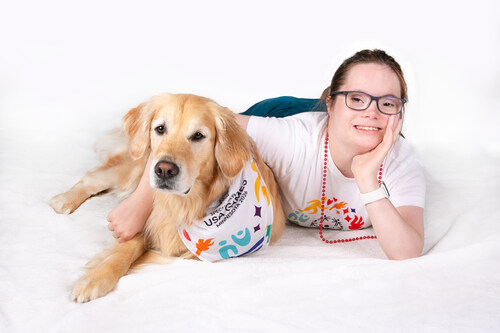
New research has uncovered a species of hook-toothed lizard that lived about 167 million years ago and has a confusing set of features seen in snakes and geckos—two very distant relatives. One of the oldest relatively complete fossil lizards yet discovered, the Jurassic specimen is described in a study, published today in the journal Nature, from a multinational collaboration between the American Museum of Natural History and scientists in the United Kingdom, including University College London and the National Museums Scotland, France, and South Africa.

The species was given the Gaelic name Breugnathair elgolensis meaning “false snake of Elgol,” referencing the area in Scotland’s Isle of Skye where it was discovered. Breugnathair had snake-like jaws and hook-like, curved teeth similar to those of modern-day pythons, paired with the short body and fully-formed limbs of a lizard.

“Snakes are remarkable animals that evolved long, limbless bodies from lizard-like ancestors,” said the study’s lead author Roger Benson, Macaulay Curator in the American Museum of Natural History’s Division of Paleontology. “Breugnathair has snake-like features of the teeth and jaws, but in other ways, it is surprisingly primitive. This might be telling us that snake ancestors were very different to what we expected, or it could instead be evidence that snake-like predatory habits evolved separately in a primitive, extinct group.”

Lizards and snakes together form a group called squamates. Breugnathair has been placed in a new group of extinct, predatory squamates called Parviraptoridae, which was previously known only from more fragmentary fossils. Earlier studies reported snake-like tooth-bearing bones that were found in close proximity with bones that had gecko-like features. But because these seemed so drastically different, some researchers believed they belonged to two different animals. The new work on Breugnathair rejects those earlier findings, showing that both snake-like and gecko-like features exist together in a single animal.

Breugnathair was discovered in 2015 by Stig Walsh from the National Museums Scotland while on an expedition with Benson and others on the Isle of Skye. The researchers have spent almost 10 years since then preparing the specimen, imaging it with computed tomography as well as with high-powered x-rays at the European Synchrotron Radiation Facility in Grenoble, France, and analyzing the results.

“The Jurassic fossil deposits on the Isle of Skye are of world importance for our understanding of the early evolution of many living groups, including lizards, which were beginning their diversification at around this time,” said Susan Evans from University College London, who co-led the study. “I first described parviraptorids some 30 years ago based on more fragmentary material, so it’s a bit like finding the top of the jigsaw box many years after you puzzled out the original picture from a handful of pieces. The mosaic of primitive and specialized features we find in parviraptorids, as demonstrated by this new specimen, is an important reminder that evolutionary paths can be unpredictable.”

Nearly 16 inches long from head to tail, Breugnathair was one of the largest lizards in its ecosystem, where it likely preyed on smaller lizards, early mammals, and other vertebrates, like young dinosaurs. But is it a lizard-like ancestor of snakes? Because it has such an unusual mixture of features, and because other fossils that shed light on early squamate evolution are rare, the researchers did not arrive at a conclusive answer. Another possibility is that Breugnathair could be a stem-squamate, a predecessor of all lizards and snakes, that independently evolved snake-like teeth and jaws.

“This fossil gets us quite far, but it doesn’t get us all of the way,” Benson said. “However, it makes us even more excited about the possibility of figuring out where snakes come from.”

Other study authors include Zoe Kulik from the American Museum of Natural History, Elizabeth Griffiths Jason Head from the University of Cambridge, Jennifer Botha from the University of the Witwatersrand, South Africa, and Vincent Fernandez from the European Synchrotron Radiation Facility.

Funding was provided, in part, by the National Research Foundation, Genus: DSTI-NRF Centre of Excellence in Palaeosciences, and the Palaeontological Scientific Trust.

Read more...

Wednesday, September 10, 2025

#PeachysPetPals #SportyPeachy @2026USAGames Meet Champ the Golden Retriever: 2026 Special Olympics USA Games Introduces First-Ever Live Mascot

Four-legged champion of inclusion will spread tail-wagging joy, comfort and connection across Minnesota and beyond

Just in time for National Dog Day, the 2026 Special Olympics USA Games is unleashing its newest team member, Champ, a golden retriever therapy dog who will serve as the official mascot and four-legged ambassador for the USA Games, scheduled to take place from June 20-26, 2026 in Minnesota.
For the first time in history, the Special Olympics USA Games has introduced a live mascot, Champ, a golden retriever therapy dog who will serve as a four-legged ambassador for the 2026 USA Games in Minnesota.

Champ isn't just here for belly rubs and photo ops – though she welcomes both! She joins the team with an important mission to champion inclusion, uplift communities and bring comfort to athletes and fans alike. From the field to the finish line, Champ will serve as the ulti-mutt multi-sport ambassador, embodying values like sportsmanship, inclusivity and spirit wherever she goes.

"We're incredibly proud to introduce Champ as the first live mascot in the history of the Special Olympics USA Games," said Christy Sovereign, CEO of the 2026 Special Olympics USA Games. "Dogs have a unique way of connecting with people, meeting them without judgment and leading with heart. That's exactly the kind of energy we want to carry into the 2026 USA Games. Champ symbolizes our mission to champion one another, on and off the field, regardless of ability."

This month, Champ made her paw-blic debut at the Minnesota State Fair Parade, bringing high-fives, tail wags and smiles to attendees. As a registered therapy dog, Champ will continue spreading her infectious paws-itivity leading up to the Games, with special appearances at community events, athlete engagements and more.

A Mascot with Purpose

Champ comes to the USA Games from North Star Therapy Animals of Pet Partners, a leader in the Twin Cities therapy animal community. Anecdotal research shows therapy dogs can significantly reduce anxiety and promote emotional well-being, particularly in high-energy, high-stakes environments. During the 2026 USA Games, Champ will provide athletes with emotional support, companionship and encouragement in the moments that matter most. Her presence offers proven benefits: reduced anxiety, stronger connection and a constant reminder that inclusion is a daily practice.

In addition to providing emotional support at sporting competitions, Champ will be a key figure at partner activations for the 2026 USA Games, including UnitedHealthcare's sensory spaces, which will be located on the University of Minnesota campus during the week of the Games.

Champ's arrival adds to the growing anticipation for the 2026 USA Games, a defining movement that will welcome more than 3,000 athletes, 1,500 coaches, 10,000 volunteers and thousands of fans to the Twin Cities in June 2026. Athletes will compete in 16 Olympic-style sports at premier venues, including the University of Minnesota and the National Sports Center in Blaine.

For updates and information, visit 2026specialolympicsusagames.org and follow @2026USAGames on social media.

About Special Olympics USA Games
The 2026 Special Olympics USA Games – scheduled for June 20-26, 2026, across Minnesota's Twin Cities with sports competitions at the University of Minnesota and the National Sports Center in Blaine – is a national celebration of inclusivity, changing perceptions and the ability of the human spirit rising above limitations. The USA Games, with co-presenting partners Jersey Mike's Subs and UnitedHealthcare, will be one of the biggest U.S. sporting events of the year, drawing tens of thousands of fans to celebrate the ability of over 3,000 incredible athletes from all 50 states as they compete in 16 Olympic-type team and individual sports. As a state with a long history of championing inclusion, the USA Games now bring an unrivaled opportunity to Minnesota to spark new energy around the Special Olympics movement and create a lasting legacy of positive change.

Read more...

Wednesday, September 3, 2025

#PilotPeachy #PeachysPetPals Pittsburgh International Airport's Steeler voted TSA's top dog for 2025

Public, employees cast votes in annual TSA Cutest Canine Contest

The Transportation Security Administration (TSA) is proud to announce explosives detection canine Steeler, a 2½-year-old Labrador retriever from Pittsburgh International Airport (PIT), scores the title of 2025 top canine of the year.

TSA held a nail-biter nationwide contest on social media where the public voted for the agency's "cutest canine" from among four agency finalists, each representing a different region of the nation. TSA canine handlers from airports across the country initially nominated 97 dogs before employees voted online and narrowed the field to the final four canines, all of whom deserve a round of a-paws.

"Our explosives detection canines and their handlers play a critical role in protecting the nation's transportation systems," said TSA Acting Deputy Administrator Adam Stahl. "TSA's annual Cutest Canine Contest gives us the opportunity to recognize their hard work and dedication. Congratulations to Steeler and thank you to the approximately 1,000 TSA canine teams who keep America and the traveling public safe."

Steeler works alongside his handler, Mark Smith, at PIT providing explosives detection capabilities as part of TSA's multilayered security approach. Although Steeler has only been on the job for just over one year, he keeps the traveling public safe through his doggone sniffing abilities and is already making a significant imprint on PIT. He enjoys fetching balls, playing with a tug rope and eating jumbo hot dogs. Steeler and the rest of his litter were born on Super Bowl Sunday 2023 and all named after NFL teams.

This announcement comes on National Dog Day, celebrated each year on August 26. Steeler, who eked out a win by just a few hundred votes, will be featured on the front cover of the agency's 2026 Canine Calendar, which is scheduled for release in December.

Background on TSA Explosives Detection Canine Teams

TSA employs canines like Steeler in its security operations nationwide. These explosives detection canine teams nimbly work through large groups of moving people to detect the source of an explosive's odor. Canine teams train regularly, and handlers learn to read subtle changes in their canine's behavior including when they detect the scent of an explosive. If a canine alerts its handler to the presence of an explosive's odor, the handler follows an established procedure to resolve the alarm with minimal impact to the screening lane.

These highly trained canines provide an effective tool for deterring and detecting explosive devices that threaten the nation's transportation systems. TSA trains its canine teams at the agency's national Canine Training Center in San Antonio. The National Explosives Detection Canine Team Program began in 1972 under the Federal Aviation Administration as a partnership with state and local law enforcement. This partnership continues today. The program was transferred to TSA following the September 11, 2001, terrorist attacks.

The first use of TSA-led explosives detection canine teams was in March 2008 to screen air cargo, and in 2011, TSA expanded the program to screen passengers. When explosives detection canines are on duty with their handlers at the airport, they are hard at work and must not be petted.

Honorable mention for three other finalistsAlex, a Labrador retriever from Denver International Airport, who will celebrate his 10th birthday on Sept. 14, was a very close runner-up in this year's voting. Handler Roxanne Sherwin said Alex has more than seven years of service protecting the traveling public and is scheduled to retire in late May 2026. Alex's favorite reward is his Santa Claus dog toy, and he loves playing fetch and catch and eating green beans.
Chica is a 3-year-old German wirehaired pointer from Indianapolis International Airport. Handler Keith Gray said Chica loves working at the airport, walking in and out of crowds and taking long walks around the neighborhood to spot birds and squirrels.
Erika, a German shepherd from Florida's Fort Lauderdale-Hollywood International Airport, recently celebrated her 7th birthday and loves keeping everyone safe. Her handler, Christopher Valentine, said Erika enjoys snacking on dental treats and munching on ice cubes to cool her down in sunny South Florida.

Later this year, TSA will announce details on how the public can download the free 2026 TSA Canine Calendar, which will feature 12 contestants from TSA's 2025 Cutest Canine Contest. The 2025 Canine Calendar is available on the TSA website.

Read more...

Sunday, July 20, 2025

#AsiaPeachy #PeachysPetPals Singapore Pet Festival 2025 Returns Bigger Than Ever at Marina Bay Sands

Clubpets is proud to announce the return of the Singapore Pet Festival (SGPF), Singapore's premier pet lifestyle showcase, from 1–3 August 2025 at Marina Bay Sands Expo & Convention Centre, spanning Halls A, B & C. This year's edition embraces a special SG60 Local Delights theme, celebrating Singapore's rich heritage while delivering an unforgettable experience for pets and pawrents alike. Following the resounding success of its 2024 edition featuring over 200 exhibitors, 400+ brands, and thousands of pet lovers, this year's festival promises to be bigger, better, and more beloved than ever.

In a special collaboration with The Feline Club (Singapore), SGPF 2025 will host its 6th Cat Show on 3 August held under the banner of The International Cat Association (TICA) competition. As part of this year's show, we are proud to present the newly introduced Exceptional Class Ceremonial, a heartwarming showcase that honours cats with extraordinary journeys, including those living with physical or medical challenges. Often overlooked in traditional competitions, these remarkable felines will finally have their moment to shine. This special segment highlights their resilience, individuality, and the unbreakable bond they share with their pawrents reminding us that every cat deserves the spotlight, regardless of breed or condition. Visitors can expect an inspiring experience that champions compassion, inclusivity, and love.

And in an exciting highlight this year, popular actor Lawrence Wong (王冠逸) will be making a special guest appearance at the festival in support of Taki Pets, where he serves as brand ambassador. Fans and pet lovers can look forward to an exclusive Q&A session at the Taki Pets booth, where Lawrence will share more about his life as a pawrent and his journey with Taki Pets. The session will also include fun interactive quizzes, and for 10 lucky winners, an exclusive live autograph signing on the latest Clubpets magazine, along with a personal photo opportunity. It's a rare chance to get up close and personal with Lawrence!

Global Brands and Growing Scale

Since 2024, when SGPF welcomed international exhibitors from Korea, Japan, Taiwan region, Hong Kong SAR, Thailand, Indonesia, and Malaysia, the 2025 edition continues to expand its global presence. Visitors can expect over 200 exhibitors and 400+ premium brands, with exclusive launches and first-time debuts in Singapore.

Over 40,000 Pet Enthusiasts Expected

SGPF 2024 welcomed more than 36,000 visitors, setting a new record in Singapore's pet event scene. Building on that momentum, SGPF 2025 is projected to attract over 40,000 attendees, providing a powerful platform for brand exposure, retail engagement, and community building.

Pet Adoption Drives and Community Focus

The festival continues its mission to support animal welfare. In collaboration with local rescue groups, adoption drives will run throughout the weekend giving attendees a chance to meet and rehome deserving animals while raising awareness of pet responsibility.

Pets of All Kinds Welcome

Whether you have a dog, cat, rabbit, bird, or exotic companion, SGPF is fully pet-friendly. Every activity, zone, and experience is designed with both pets and their humans in mind, making it the most inclusive pet celebration in the region.

Over S$30,000 in Cash Rebates & Prizes

Attendees can look forward to over S$30,000 worth of giveaways through:Cash rebates on purchases and flash draws
Daily Lucky Draws featuring:Luxury hotel staycations
Popular F&B vouchers
Curated gift hampers worth up to S$300

Simply shop, scan, and stand a chance to walk away with premium rewards.

Why You Can't Miss This400+ premium products and exclusive launches
$30,000 in cash rebates and lucky draw prizes
Free exclusive tote bags (while stocks last)
Instagrammable heritage-themed photo zones
Pet contests, expert workshops & wellness panels
Birds showcase
⁠⁠Call ducks showcase
Top 10 breeds of Guinea pig showcase
'Breeds of the World' cat showcase and interaction with the featured cats

Read more...

Friday, July 11, 2025

#PeachysPetPals #Rexy #Dinosaur at #StuartWeitzman #Coach #FifthAvenue #Manhattan #NewYork


Grok AI tells us:

The Coach House flagship, opened in 2016, features a 12-foot sculpture of a dinosaur named Rexy, designed by artist Billie Achilleos and constructed entirely from Coach bags and proprietary hardware. This sculpture is part of the store’s architectural elements, intended to celebrate Coach’s New York heritage and 75-year history of craftsmanship. It serves as a striking visual centerpiece in the store’s atrium, reflecting the brand’s creative and innovative approach to luxury design.

The Rexy sculpture is a prominent feature at the Coach House flagship store, located at 685 Fifth Avenue and 54th Street, New York City, part of the Coach brand under Tapestry, Inc. Here are the key details about the sculpture:Design and Artist: Rexy is a 12-foot-tall sculpture of a Tyrannosaurus rex, created by British artist Billie Achilleos. It is constructed entirely from Coach leather bags and proprietary hardware, showcasing intricate craftsmanship.

Purpose and Symbolism: The sculpture serves as a bold, creative centerpiece in the store’s atrium, celebrating Coach’s 75-year history (as of the store’s opening in 2016) and its New York heritage. Rexy reflects the brand’s playful yet sophisticated approach to luxury, blending art with fashion.
Construction: The use of Coach bags and hardware to form the dinosaur highlights the brand’s expertise in leatherwork and design innovation. Each component was carefully assembled to mimic the T. rex’s form, making it both a functional art piece and a tribute to the brand’s materials.

Location in Store: Positioned in the atrium of the Coach House, a 20,000-square-foot, five-story flagship designed by Stuart Vevers and William Sofield, Rexy is a focal point visible to visitors entering the store. The store’s modern design, with elements like a blackened steel staircase and mid-century furniture, complements the sculpture’s striking presence.

Cultural Impact: Rexy has become an iconic element of the Coach House, often noted in descriptions of the store’s architecture and brand identity. It aligns with Coach’s efforts to merge heritage with contemporary creativity, as seen in other store features like custom furniture and a glove leather-clad elevator.

Context: The Coach House, opened in December 2016, is adjacent to the Stuart Weitzman boutique, also at 685 Fifth Avenue, which may cause confusion about the sculpture’s location. However, Rexy is exclusive to the Coach store and not part of Stuart Weitzman’s displays.

Peachy Deegan tells you:

The Dinosaur is fun to meet!

Read more...

Tuesday, July 1, 2025

#PeachysPetPals Brazilian Ecopark Taps the Penetron System to Help Preserve Endangered Manatees

Integral concrete waterproofing: For below-grade concrete structures exposed to hydrostatic pressure on both the positive and negative sides, the Penetron System was the optimal solution.

By March 2025, renovation work and technical updates at the Peixe-Boi Ecopark at the National Center for Research and Conservation of Aquatic Mammals (CMA) on Itamaracá Island in northeastern Brazil were largely completed. The renewed facility provides a boost to CMA's preservation efforts and to sustainable tourism on the island. The Penetron System, a concrete waterproofing system, was specified to provide durable protection for the West Indian manatee holding tanks exposed to both positive and negative hydrostatic pressure.


By March 2025, renovation work and technical updates at the Peixe-Boi Ecopark at the National Center for Research and Conservation of Aquatic Mammals (CMA) on Itamaracá Island in northeastern Brazil were largely completed. The renewed facility provides a boost to CMA's preservation efforts and to sustainable tourism on the island. The Penetron System, a concrete waterproofing system, was specified to provide durable protection for the West Indian manatee holding tanks exposed to both positive and negative hydrostatic pressure.


A tropical island situated in the northeast corner of Brazil on the Atlantic Ocean, Ilha de Itamaracá is connected to the mainland by a long road bridge. With a total area of over 66 km2 (>25 mi2), the island has a population of around 27,000 inhabitants. About two thirds of the island is covered by protected rain forest ('Mata Atlantica'), with human inhabitation concentrated mostly along the eastern coastline boasting white sandy beaches. Fishing and tourism are the main pillars of the island's economy.


Another key advantage is that the Penetron System is completely non-toxic, and NSF 61-certified for potable water applications. The quality of the manatee swimming water remains unaffected by any Penetron crystalline products.

The National Center for Research and Conservation of Aquatic Mammals (CMA) on Itamaracá Island is part of the Chico Mendes Institute for Biodiversity Conservation (ICMBio) and plays a crucial role in preserving the West Indian manatee (Trichechus manatus), an endangered species in Brazil. The CMA carries out rescue, rehabilitation, and reintroduction of these animals into their natural habitat, and supports research and environmental education.

The R$ 10 million renovation and modernization of the Peixe-Boi Ecopark on Itamaracá Island is an important part of CMA's efforts to promote preservation of the West Indian manatee and develop sustainable ecotourism on the island.

"Penetron Brazil was asked to provide a durable waterproofing solution for the Ecopark's large concrete holding tanks where the manatees are kept," adds Cláudio Neves Ourives, CEO and Managing Partner of Penetron Brazil. "In particular, the below-grade concrete tank walls needed to withstand both negative and positive pressure."

An integral waterproofing solution is optimal for below-grade concrete structures confronted with both the positive hydrostatic pressure of the water contained in the tank and the negative hydrostatic pressure of the surrounding groundwater water levels.

Penetron recommended the Penetron System of concrete waterproofing products to ensure the integrity of the manatee tanks. PENETRON, a topical crystalline waterproofing material, was applied to both sides of the concrete tanks to ensure impermeability of the concrete and seal hairline cracks. PENECRETE MORTAR, a crystalline repair grout, was used to seal the construction joints and tie holes.

When applied to a prepared concrete surface, the active ingredients in PENETRON penetrate the concrete and react to moisture to form insoluble crystals throughout the cracks, pores, and voids, becoming an integral part of the concrete matrix.

"Another key advantage is that the Penetron System is completely non-toxic, and NSF 61-certified for potable water applications. The quality of the manatee swimming water remains unaffected by any Penetron crystalline products," concludes Cláudio Neves Ourives.

The Penetron Group is a leading manufacturer of specialty construction products for concrete waterproofing, concrete repairs, and floor preparation systems. The Group operates through a global network, offering support to the design and construction community through its regional offices, representatives, and distribution channels.

Read more...

Back to TOP